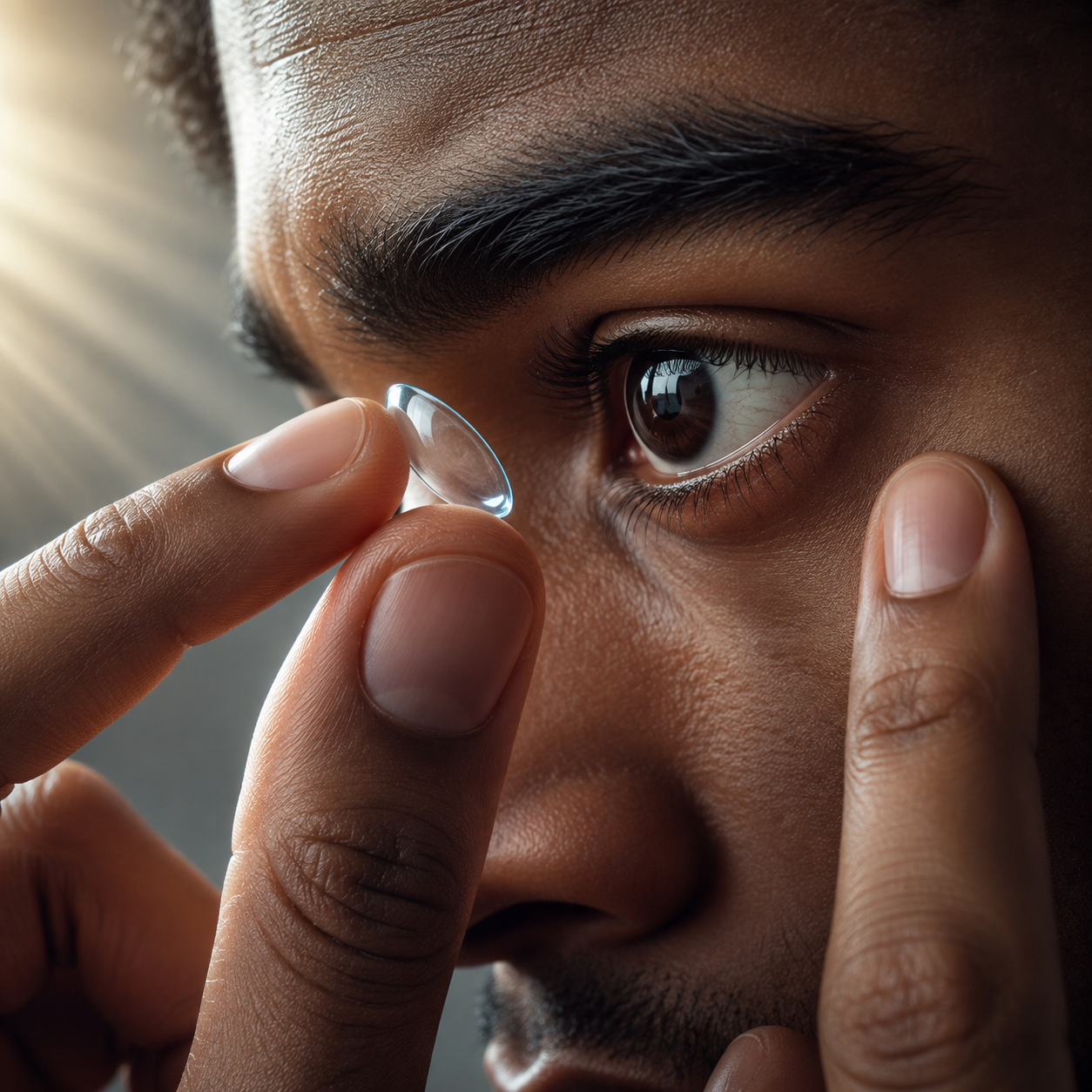
Millions of people wear contact lenses comfortably and safely every day — but it’s easy to forget that contacts are medical devices, not just a convenient accessory. Improper care and handling can lead to serious, sometimes vision-threatening eye infections. Understanding a few key safety habits can make all the difference.
Why Contact Lens Hygiene Matters So Much
Public health authorities have repeatedly warned that failing to properly clean, store, or replace contact lenses can lead to severe eye infections, including Acanthamoeba keratitis, a rare but serious infection linked to exposure to contaminated water or poor lens hygiene. Numerous documented outbreaks of contact lens-related eye infections have been traced directly back to improper handling and storage practices — a reminder that small daily habits carry real consequences.
Essential Contact Lens Care Rules
1. Always wash and dry your hands first. Use soap and water, and dry your hands with a clean, lint-free towel before touching your lenses or your eyes. This is the single most important step in preventing contamination.
2. Use only approved cleaning and storage solution. Never use tap water, saliva, or homemade solutions to clean or store your lenses. Water can introduce microorganisms — including the amoeba responsible for Acanthamoeba keratitis — that don’t belong anywhere near your eyes.
3. Follow your replacement schedule exactly. Whether your lenses are daily, bi-weekly, or monthly, sticking to the prescribed schedule prevents the buildup of protein deposits, allergens, and microorganisms on the lens surface that increase infection risk.
4. Replace your lens case every three months. Contact lens cases can harbor bacteria even when they look clean. Rinse your case with fresh solution (never water) after each use, leave it open to air dry, and replace it regularly.
5. Never “top off” old solution. Always empty and refill your case with fresh solution rather than adding new solution to old, which reduces its disinfecting effectiveness.
6. Remove your lenses before swimming or showering. Water exposure — whether from pools, hot tubs, or even the shower — significantly raises infection risk.
7. Never sleep in lenses unless specifically prescribed for extended wear. Sleeping in lenses not designed for overnight use dramatically increases the risk of corneal infection.
Warning Signs You Should Never Ignore
If you experience any of the following while wearing contact lenses, remove them immediately and contact an eye care professional:
- Eye pain, redness, or unusual discomfort
- Blurred vision that doesn’t clear
- Excessive tearing or discharge
- Increased light sensitivity
- A feeling that something is stuck in your eye
Delaying care for these symptoms — even by a day or two — can allow a minor irritation to develop into a serious infection.
Choosing the Right Lens for Your Lifestyle
Not all contact lenses are created equal. Daily disposables offer maximum hygiene and convenience for people with busy or active lifestyles, while bi-weekly or monthly lenses may suit others better depending on comfort, cost, and eye health needs. Specialty lenses are also available for astigmatism, presbyopia, and dry eyes.
How IrisCare Can Help
A proper contact lens fitting is about more than picking a brand off a shelf — it’s a personalized process that accounts for your eye shape, tear film, prescription, and lifestyle. Our team at IrisCare Eye Clinic will help you find the lens type that fits your life comfortably and safely, and we’re always available to answer hygiene or safety questions.
Due for a check-up or fitting? Book a contact lens fitting and exam at IrisCare — mention this article for a discounted fitting with your appointment.