


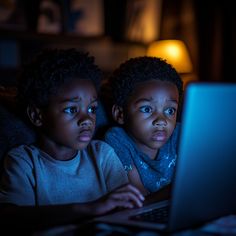
Screens have become an unavoidable part of childhood — from virtual classrooms and homework apps to gaming and video calls with friends. But this shift comes with a real cost to children’s eye health, and pediatricians and eye doctors alike are sounding the alarm on a global rise in childhood myopia (nearsightedness).
The Myopia Boom: What’s Driving It
Research from pediatric health organizations has linked the sharp rise in childhood myopia to two connected trends: more “near-work” (reading, screens, close-up tasks) and less time spent outdoors. Natural outdoor light and distance viewing appear to play a protective role in healthy eye development, while sustained close-up focus — especially on screens — is associated with faster myopia progression.
Virtual schooling, tablet-based learning, and gaming have only intensified this pattern. Many children now spend several hours a day on devices, often with too few breaks to allow their eyes to rest and refocus.
Why Myopia in Kids Is More Than a Vision Inconvenience
Nearsightedness in children isn’t just about needing glasses. Higher and earlier-onset myopia is associated with an increased risk of serious eye conditions later in life, including retinal detachment, glaucoma, and myopic macular degeneration. This is why early detection and myopia management have become a growing focus in pediatric eye care.
How to Protect Your Child’s Eyes
Encourage outdoor play. Aim for at least 1–2 hours of outdoor time daily. Natural light and distance viewing help slow the onset and progression of myopia.
Follow the 20-20-20 rule. Just like adults, kids benefit from taking a 20-second break to look at something 20 feet away every 20 minutes of near work.
Use larger screens at a proper distance. Encourage children to view tablets and phones at arm’s length rather than holding them close to the face. Where possible, opt for a larger screen (like a TV or monitor) viewed from a distance over a small handheld device held close.
Set screen time limits. Establish reasonable daily limits on recreational screen use, and build in regular breaks during schoolwork or gaming sessions.
Optimize lighting and posture for homework. Ensure your child does close-up work in a well-lit space, sitting upright with the material at a comfortable distance — not hunched over a desk or tablet.
Prioritize sleep. Blue light exposure in the evening can disrupt sleep, which is essential for healthy visual and physical development in children.
Watch for These Warning Signs
Children often don’t realize — or can’t articulate — that their vision has changed. Watch for:
- Sitting very close to the TV or holding books/devices close to the face
- Squinting or frequently rubbing their eyes
- Complaints of headaches or eye strain after school
- Difficulty seeing the board at school or declining grades
- Holding one eye closed or tilting the head to see better
The Role of Regular Pediatric Eye Exams
Because myopia can progress quickly during childhood, catching it early gives parents and eye doctors the best chance to manage its progression through corrective lenses, specialized contact lenses, or other proven myopia control strategies. Early exams can also catch amblyopia (“lazy eye”) and other developmental vision issues while they’re still highly treatable.
How IrisCare Can Help
IrisCare Eye Clinic offers dedicated pediatric vision testing to catch early signs of myopia, amblyopia, and other childhood eye conditions — often before parents or teachers notice anything is wrong. We also provide personalized, practical guidance to help families build healthy screen habits at home.
Give your child’s eyes the best start. Book a children’s eye exam at IrisCare today, and ask our team for our free downloadable guide on reducing screen-related eye strain at home.