By Dr Ebiye-Nwoko Adaeze(OD)
Mascara is a staple in makeup routines. It opens up the eyes, lengthens lashes, and pulls together a complete look in seconds. Yet, tucked inside that sleek black tube lies a dark truth: a damp, dark, airtight environment that microbes thrive in.
Every stroke across your lash line picks up naturally occurring bacteria, skin oils, and dead skin cells. Every time you plunge the wand back into the tube, you deposit those microbes directly into the product. Over time, your favorite lash enhancer turns into a breeding ground for bacteria and fungi.
How long can you safely keep a tube of mascara? What actually happens when you use expired eye cosmetics? Most importantly, how can you maintain a stunning eye routine while keeping your eyes safe and healthy?
What the Research Says: The 3-Month Rule
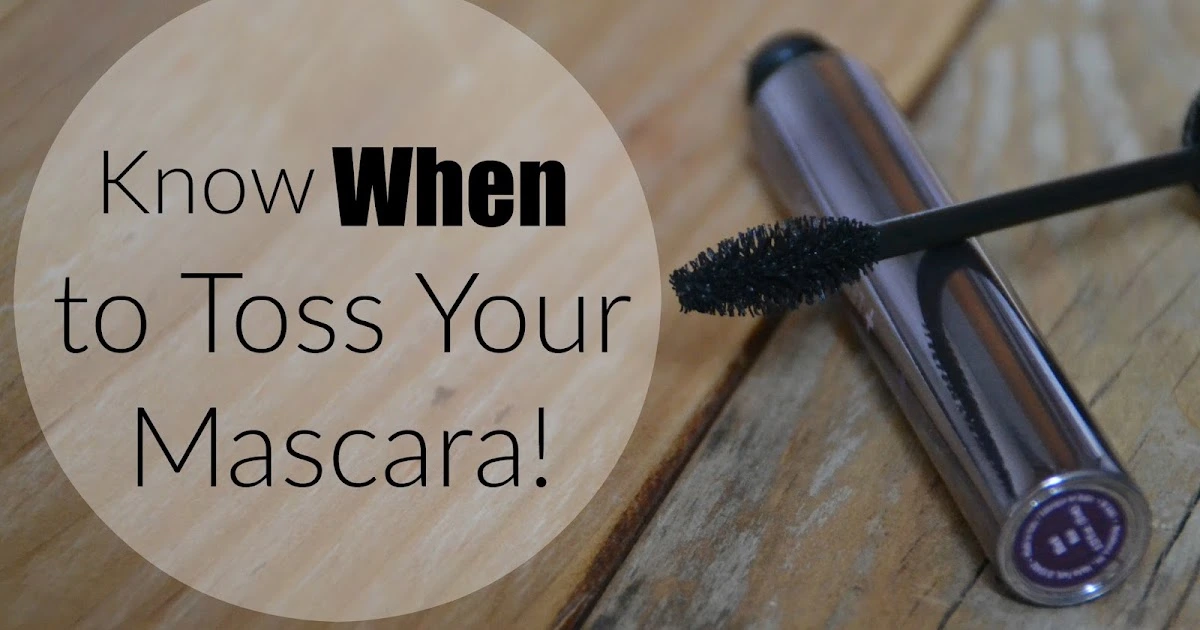
Many people assume mascara lasts until the tube dries out or runs empty. In reality, the shelf life of an opened tube of mascara is remarkably short: three months.
This is not a marketing trick designed to make you buy more makeup. It is a critical clinical recommendation backed by research and official health bodies:
- The American Academy of Ophthalmology (AAO): The AAO recommends throwing away eye makeup specifically mascara every three months.
- The U.S. Food and Drug Administration (FDA): The FDA advises consumers that mascara manufacturers recommend discarding tubes after 2 to 4 months. The agency warns explicitly against trying to stretch the lifespan of mascara by adding water or saliva.
- Peer-Reviewed Journals: A study published in the journal Optometry evaluated used mascaras and found that 36.4% of tubes tested positive for microbial growth after just three months of daily use. The study isolated strains such as Staphylococcus epidermidis, Streptococcus species, and Pseudomonas aeruginosa, bacteria capable of causing painful, vision-threatening eye infections.
Hidden Dangers: What Expired Mascara Does to Your Eyes
Your cornea (the clear front surface of your eye) and your conjunctiva (the clear membrane lining your eyelids and white of your eye) are sensitive, highly delicate structures. Applying a mascara wand loaded with bacterial contamination poses several risks:
1. Bacterial Conjunctivitis (“Pink Eye”)
Contaminated mascara can introduce pathogenic bacteria to the eye surface. Symptoms include severe redness, gritty sensation, swelling, watery discharge, and yellow or greenish pus that crusts over the lashes overnight.
2. Styes and Chalazia
A stye is a painful, red bump that forms on the edge of the eyelid when an oil gland or eyelash follicle becomes infected—frequently by Staphylococcus bacteria transferred from makeup brushes or mascara wands. Left untreated, an infected oil gland can harden into a painless but persistent bump known as a chalazion.
3. Keratitis and Corneal Ulcers
This is the most severe risk. If a dry, clumpy mascara wand leaves tiny, microscopic scratches on your cornea during application, bacteria can invade the damaged tissue. Infections like Pseudomonas keratitis progress rapidly and can cause permanent corneal scarring or loss of vision if not treated immediately by an eye care specialist.
4. Blepharitis
Old makeup flakes off into the eye, clogging the Meibomian oil glands along the eyelid margins. This leads to chronic inflammation, dry eye syndrome, burning sensations, and swollen, itchy eyelids.
Warning Signs It’s Time to Toss Your Tube Immediately
Even if your mascara hasn’t hit the three-month mark yet, toss it out right away if you notice any of these red flags:
1. The Smell Test
Fresh mascara has a faint, distinct scent. If it smells sour, chemical-heavy, or standardly “off,” throw it out immediately.
2. Texture Changes
If the formula is dry, unusually thick, or forms hard clumps on the wand, the preservatives have broken down.
3. The “Pumping” Flaking: If the product flakes off your lashes onto your cheeks within minutes of applying, the formula has degraded.
4. Stinging or Irritation: If your eyes water, burn, or itch the moment you brush on the mascara, your body is reacting to contamination or oxidized ingredients.
5. You’ve Recently Had an Eye Infection: If you used mascara while developing conjunctivitis, a stye, or a cold sore, throw the tube out right away—no exceptions.
Crucial Safety Rule: Never try to revive a dried-out mascara tube with tap water, saline solution, contact lens solution, or saliva. Tap water introduces Acanthamoeba parasites, and saliva introduces millions of mouth bacteria directly into your eye environment.
Best Practices for Safe Makeup Hygiene
Protecting your vision doesn’t mean giving up eye makeup. It simply means adopting safe habits:
Never Share Eye Makeup
Sharing mascara, eyeliner, or eye shadow brushes with friends, family, or makeup artists transfers bacteria, viruses, and eyelash mites (Demodex) back and forth. Always bring your own products or use single-use, disposable wands.
Stop “Pumping” the Wand
When getting product onto the wand, avoid plunging it rapidly in and out of the tube. Pumping forces ambient air into the container, drying out the product faster and pushing airborne bacteria down into the base. Instead, gently swirl the wand inside the tube before pulling it out.
Mind Storage Conditions
Heat and humidity accelerate bacterial growth and break down chemical preservatives. Avoid keeping your makeup bag in a steamy, humid bathroom or leaving it inside a hot car. Store your cosmetics in a cool, dry place away from direct sunlight.
Wash Your Makeup Brushes Regularly
Powder shadows and gel eyeliners last longer than mascara, but dirty application brushes carry oils and bacteria back into the compact. Wash your eye makeup brushes every 7 to 10 days using a gentle cleanser or brush soap.
Remove Makeup Thoroughly Before Bed
Sleeping in mascara weighs down lashes, causes breakage, and blocks the eye’s natural tear film drainage during sleep. Use a gentle, oil-free micellar water or eye makeup remover every single night before your head hits the pillow.
When to See a Professional: Expert Care in Lagos
If you experience persistent eye redness, discharge, eyelid swelling, pain, or blurred vision, stop using all eye cosmetics immediately. Do not try to self-medicate with leftover over-the-counter drops, as using the wrong treatment can exacerbate fungal or bacterial corneal conditions.
For residents in Agege, Dopemu, and across the Lagos mainland, expert eye care is close to home. IrisCare Eye Clinic, Dopemu, Lagos, located conveniently at Greater Path Mall (155 Dopemu Road), provides comprehensive diagnostic and clinical eye care services.
Led by registered optometrist Dr. Ebiye-Nwoko Adaeze, the clinical team at IrisCare Eye Clinic evaluates eyelid health, tear film quality, and corneal integrity using modern diagnostic tools like slit-lamp biomicroscopy. Whether you are dealing with recurrent styes, contact lens discomfort, cosmetic-related eye irritation, or require a routine comprehensive eye exam, their team offers personalized care in plain language.
Protecting Your Vision
Your eye cosmetics should highlight your features, not compromise your sight. By respecting the three-month discard rule for mascara, keeping your wands clean, and removing makeup every evening, you preserve your vision and avoid painful infections.
If you suspect an infection or want to ensure your eyes are healthy, visit IrisCare Eye Clinic, Dopemu, Lagos. Schedule a professional evaluation to ensure your eyes remain clear, healthy, and vibrant.