


By Dr Ebiye-Nwoko Adaeze (OD)
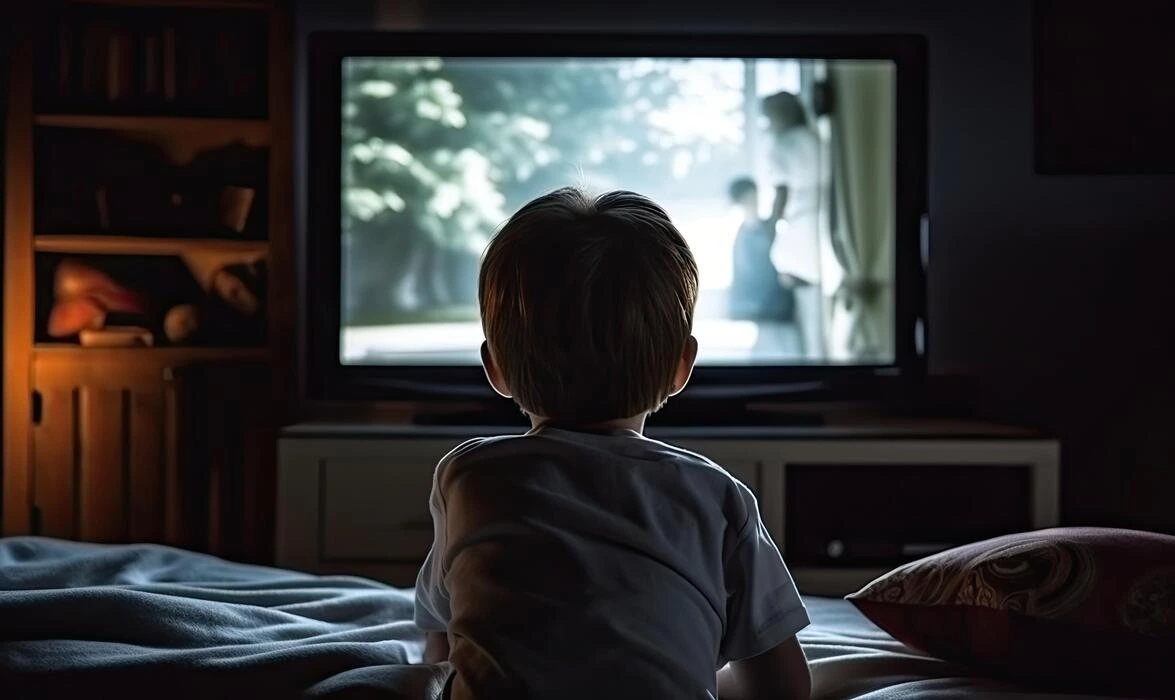
Have you ever watched your child sit just a few inches away from the television and immediately heard yourself saying, “Move back! You will spoil your eyes!”? Perhaps you have also been warned against sitting too close to your phone, watching television for too long, or using a computer every day because these habits can make you lose your sight.
These concerns are common in many Nigerian homes. Parents want to protect their children’s eyes, while adults worry about the effects of spending long hours on phones, laptops and televisions.
But is sitting close to a television really harmful to your eyes? Can it permanently damage your sight?
The good news is that sitting close to the television does not usually cause permanent damage to your eyes. However, repeatedly sitting very close to the screen may be a sign that you have an existing vision problem that needs attention. Spending too much time on screens can make your eyes feel tired, uncomfortable, and cause headaches.
At IrisCare Eye Clinic, Dopemu, Lagos, we believe that understanding the facts about eye health helps people make better decisions about protecting their vision.
Why Do People Believe That Sitting Close to the TV Damages the Eyes?
For many years, parents and caregivers have warned children against sitting too close to the television. The warning is usually well-intentioned, as nobody wants a child to develop poor eyesight.
However, the belief that sitting close to the TV automatically damages the eyes is not supported by established eye health guidance.
According to the American Academy of Ophthalmology (AAO), sitting close to the television may cause eye strain or a headache, but it does not damage vision in children or adults. The same general principle applies to ordinary screen use: discomfort can occur, but discomfort does not necessarily mean permanent damage has occurred.
So, if you find yourself sitting close to the television occasionally, there is no need to panic. The more important question is whether you can see clearly from a comfortable distance.
Why Do Some People Sit So Close to the Television?
If you notice that your child or another family member regularly sits very close to the television, do not assume that the habit itself is damaging their eyes. Instead, pay attention to why they might be doing it.
There are several possible explanations.
1. They May Have Short-Sightedness
Short-sightedness, also known as myopia, is a condition that makes distant objects appears blurry while nearby objects remains clearer.
A child with short-sightedness may struggle to read words on the television screen from across the sitting room. Moving closer makes the images and words easier to see.
For example, imagine a child who cannot clearly see the writing on a television from the sofa. Rather than complain, the child may simply move closer to the screen. The parent may think the child is developing a bad habit when the real issue could be an uncorrected vision problem. This is why repeatedly sitting close to the television should not always be dismissed as misbehavior.
2. They May Want to See the Screen More Clearly
Some people move closer because the television is small, the text is difficult to read, or the viewing distance is uncomfortable.
This does not automatically mean they have an eye disease. Nevertheless, if someone consistently needs to sit unusually close to see clearly, an eye examination is a sensible next step.
3. They May Simply Prefer Sitting Close
Children, in particular, may sit close because they enjoy the programme, are absorbed in a game or have simply chosen that position.
Not every child who sits close to the television has an eye problem. The key is to look for persistent habits alongside other signs, such as squinting, headaches or difficulty seeing objects at a distance.
Does Sitting Too Close to the Television Ruin Your Vision?
The short answer is no, not under normal viewing conditions.
Watching television from a short distance does not usually damage the structures of the eye permanently. Your eyes naturally adjust their focus depending on whether you are looking at something nearby or far away. This focusing process is normal and does not mean your eyes are being damaged.
However, sitting close to a screen for a long time can contribute to temporary symptoms, including:
- Eyes that feel tired or painful
- Headaches.
- Blurry eyesight that gets better after resting your eyes.
- Dry, itchy, or watery eyes.
- Difficulty focusing comfortably after prolonged viewing.
Spending too much time on screens can leave your eyes feeling tired and strained. This is because we naturally blink less when focusing on a screen, making our eyes more likely to feel dry, itchy, or irritated.
The American Academy of Ophthalmology explains that prolonged screen use can cause discomfort, even though ordinary screen exposure has not been shown to cause permanent eye damage in the way many people fear. Its recommendations include taking breaks, adjusting screen brightness and reducing glare.
It is important to remember that temporary discomfort and permanent damage is not the same thing. If symptoms persist, however, do not assume that they are simply caused by screen use.
What Does Medical Research Say About Screen Distance and Eyesight?
Research published in established medical journals provides a more balanced picture of the relationship between close viewing, screen use and eyesight.
A systematic review and meta-analysis published in PLOS ONE in 2015 examined studies involving 25,025 children aged 6 to 18 years. The researchers found an association between greater amounts of near work and a higher likelihood of myopia. However, the findings did not establish that sitting close to a television directly causes permanent eye damage. The researchers also noted that the evidence on the development and progression of myopia was not consistent across all the studies.
Similarly, a study published in Acta Ophthalmologica in 2021 examined near work, screen time and outdoor activity among children in several Asian populations. It found that more reading and writing and less time outdoors were associated with myopia, while screen time that included television viewing was not significantly associated with myopia in that particular analysis. This does not prove that screen habits never matter; it shows why the evidence needs to be interpreted carefully.
A review published in Ophthalmic and Physiological Optics also examined the evidence linking near work with myopia and concluded that the relationship remains complex, with differences between studies and limitations in how near work is measured.
The practical lesson is that eye health depends on several factors. A person’s family history, existing refractive error, visual habits and time spent outdoors may all be relevant. It would be misleading to blame every case of poor eyesight on sitting close to a television.
What About Children Who Spend Hours Watching Screens?
Children today use televisions, smartphones, tablets and computers for entertainment, schoolwork and communication. While ordinary screen viewing does not usually cause permanent eye damage, how children use these devices still matters.
Long periods of uninterrupted screen use can cause eye discomfort and may interfere with healthy daily routines. Children may also spend less time outdoors when much of their free time is devoted to screens.
Outdoor time is particularly important when considering childhood myopia. Research has found an association between more time outdoors and a lower likelihood of developing short-sightedness, although outdoor activity is not a guarantee that a child will never need glasses.
Parents can encourage healthier habits by:
- Allowing children to take regular breaks from screens.
- Getting children involved in outdoor games and other physical activities.
- Ensuring that children watch television from a comfortable distance.
- Ensuring the room has enough lighting.
- Watching out for squinting, frequent headaches, or trouble seeing things far away.
- Scheduling an eye check-up whenever you notice any signs of vision problems.”
The aim is not to ban television or make children afraid of screens. It is to encourage balance and recognize possible signs of an underlying vision problem.
How Far Should You Sit from the Television?
There is no single viewing distance that is perfect for every television, room or viewer. The appropriate distance depends on the screen size, image clarity, room arrangement and your comfort.
Rather than forcing everyone to sit at a particular distance, consider these practical tips:
- Sit at a distance where you can see the picture clearly without squinting or leaning forward.
- Increase the size of subtitles and on-screen text if they are difficult to read.
- Set your screen brightness to match the room’s lighting.”
- Take regular breaks, particularly during long periods of gaming or screen use.
- If you experience discomfort, look away from the screen and focus on something farther away.
For phones and computers, you can try the 20-20-20 rule: every 20 minutes, look at something about 20 feet (6 meters) away for at least 20 seconds. This may help reduce eye strain, but if the symptoms persist, be sure to have your eyes checked by an eye care professional.”
Most importantly, do not assume that moving farther away from a screen will correct an underlying vision problem.
Is It Time for Your Child to Have an Eye Check-Up?
Parents should pay attention when a child consistently sits unusually close to the television, especially if the behavior is new or accompanied by other symptoms.
Consider taking your child for an eye test if they:
- Often squints when trying to see things far away.”
- Complains of headaches after reading or watching television.
- Holds books or phones unusually close to the face.
- Struggles to see the board clearly in school.
- Frequently rubs the eyes or reports blurred vision.
- Shows a noticeable change in school performance that could be related to difficulty seeing.
These signs do not necessarily mean that your child has a serious eye condition. An eye examination can help detect short-sightedness and other vision problems early, allowing your child to receive the right care when needed.”
Adults should also seek professional advice if they experience persistent blurred vision, recurring headaches or difficulty focusing. Sudden loss of vision, severe eye pain or sudden changes in sight require urgent medical assessment.
Protect Your Vision with IrisCare Eye Clinic, Dopemu, Lagos
At IrisCare Eye Clinic, Dopemu, Lagos, we encourage individuals and families to make eye health a priority by seeking professional advice rather than relying on common misconceptions.
If your child regularly sits close to the television, or you have noticed changes in your own vision, an eye examination can help determine whether there is an underlying problem. An eye test can assess your vision and detect short-sightedness, which can make distant objects appear blurry. Where necessary, an eye care professional can recommend appropriate corrective lenses and further management.
Remember, you do not need to panic every time you see a child sitting close to the television. Instead, pay attention to their viewing habits, encourage healthy screen use and seek professional advice when something seems unusual.
Final Thoughts: Is Sitting Close to the TV Dangerous?
The belief that sitting close to the television automatically damages your eyes permanently is a common misconception. Current eye health guidance indicates that ordinary television viewing at a close distance does not usually cause permanent damage, although it can contribute to temporary eye strain.
However, regularly sitting very close to the screen may sometimes indicate that a person is struggling to see clearly. That is why it is important to look beyond the habit itself and consider whether an eye examination is needed.
At IrisCare Eye Clinic, Dopemu, Lagos, our message is simple: do not fear the television, but do not ignore changes in your vision. Taking care of your eyes begins with understanding the facts, practicing healthy visual habits and seeking professional advice when necessary.
Your eyesight matters. Make regular eye examinations part of your health routine.
References
- American Academy of Ophthalmology. Common Vision Myths.
- Huang HM, Chang DS-T, Wu P-C. The Association between Near Work Activities and Myopia in Children—A Systematic Review and Meta-Analysis. PLOS ONE. 2015;10(10):e0140419. doi:10.1371/journal.pone.0140419.
- Sunflower Myopia AEEC Consortium. Near work, screen time, outdoor time and myopia in schoolchildren. Acta Ophthalmologica. 2021. PubMed.
- Huang HM, et al. A systematic review of near work and myopia: measurement, relationships, mechanisms and clinical corollaries. PubMed.